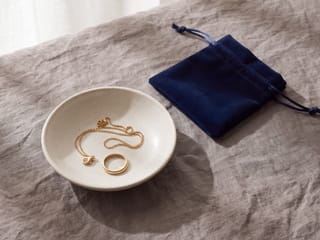

How jewellery shoppers decide
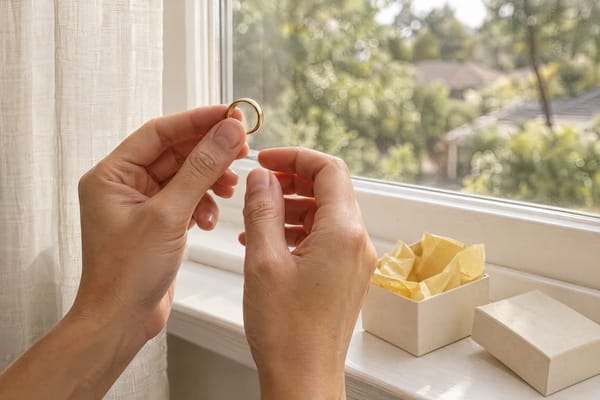
- They look hard. On a higher-priced piece, a shopper studies a still for the finish, the clasp, the stones and how it sits.
- Material is the first question. Solid gold, plated, vermeil or sterling silver? Will it tarnish? Vague wording loses the sale, or wins it dishonestly.
- Scale is the biggest disappointment. “Smaller than I expected” is a return. Show every piece on a body.
- Much of it is a gift. The buyer isn’t the wearer, so packaging, a gift note, exchanges and order-by dates matter as much as the piece.
What Meta does well for jewellery, and what it does badly
Meta is good at stills that reward a long look, at carousels that move from worn to detail to price, at gift peaks, and at reminding people over the weeks a considered purchase takes.
It’s bad at showing detail in video at feed size, at staying with real buyers when a new account is left fully broad, and at leaving your best image alone. Its reported ROAS can also include sales you’d have made anyway, retargeting most of all. Your plan judges your ads on MER first, your store’s revenue divided by your total ad spend, and uses Meta’s ROAS to compare ads with each other.
Read more: ROAS vs MER, explained, and what to check when Advantage+ isn’t working.
Offers that work for jewellery stores
- Gift-ready. A gift box and note, gift receipts, and express shipping before a gift day. It answers the gift buyer’s worries without cutting your price.
- Sets and stacks. Earrings and a necklace, or a three-piece stack, for one price.
- A gift with purchase over a threshold: a pouch, a travel case or a polishing cloth.
- Personalisation. Engraving or a monogram, with returns on personalised pieces explained plainly.
Your plan picks one for your store and uses it in every ad. It skips constant deep discounts (a piece that’s always half price looks like it’s worth half), “real gold” for anything plated, “lifetime” guarantees you can’t honour, and fake scarcity.
Rules your jewellery ads must follow
- Say exactly what it is. Solid gold with its karat, gold-plated, vermeil, sterling silver. Never “gold” alone for a plated piece. The test is the Australian Consumer Law: don’t mislead.
- “Hypoallergenic” and “nickel-free” need test certificates for the actual metals. Better still, name the metals.
- Name stones properly: natural, lab-grown or simulated, next to the stone name.
- Images are claims. Retouched or AI-made images must match the piece you ship: stones, links, prongs, clasp and metal tone.
- Was/now prices must be genuine. Earrings can be excluded from change-of-mind returns for hygiene; faulty pieces are always covered.
- Creator posts must be labelled as paid or gifted.
- Watches and accessories with button or coin batteries must meet Australia’s mandatory button battery safety and warning standards. Watches aren’t exempt.
Your plan covers these rules in full for your sub-type. It’s general information, not legal advice.